Table of Contents
ToggleAS/NZS 4282 Obtrusive Lighting Compliance in NSW – A Guide for Developers and Designers
If your development includes external lighting, there is a good chance your local council will require compliance with AS/NZS 4282 – Control of the Obtrusive Effects of Outdoor Lighting.
Across New South Wales, many councils include conditions within Development Consents requiring external lighting to minimise light spill, glare, sky glow, and other forms of obtrusive lighting. Compliance is often required before an Occupation Certificate is issued, making lighting design an important part of the development approval process.
Whether you are designing a commercial development, industrial facility, shopping centre, service station, residential subdivision, or public infrastructure project, understanding AS/NZS 4282 can help avoid redesigns, neighbour complaints, and costly delays.
What Is Obtrusive Lighting?
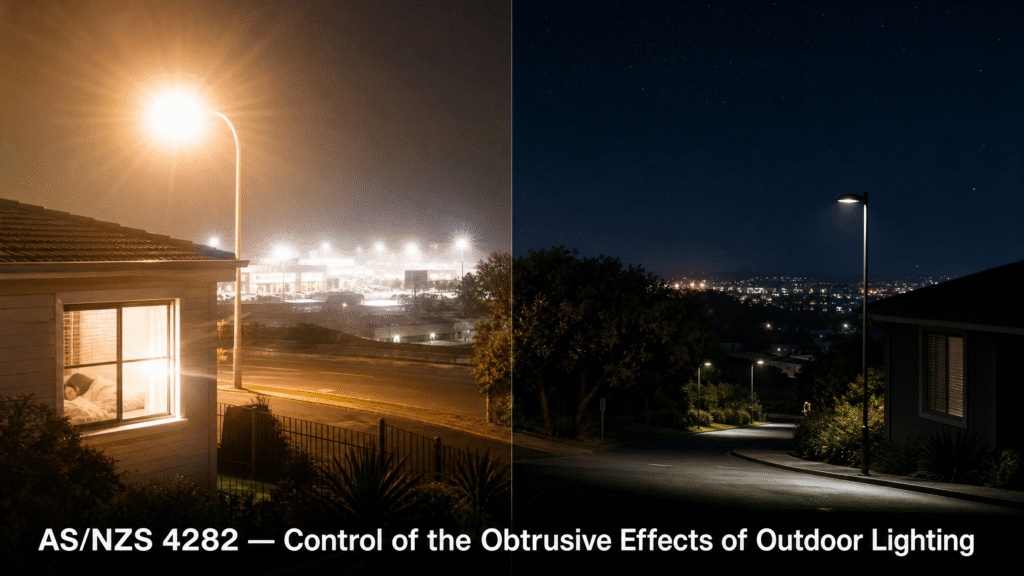
Obtrusive lighting is artificial light that extends beyond the area where it is intended to provide illumination.
Common examples include:
- Light spilling into neighbouring residential properties.
- Bright floodlights causing discomfort or disability glare.
- Upward light contributing to sky glow.
- Excessive lighting from car parks or commercial buildings.
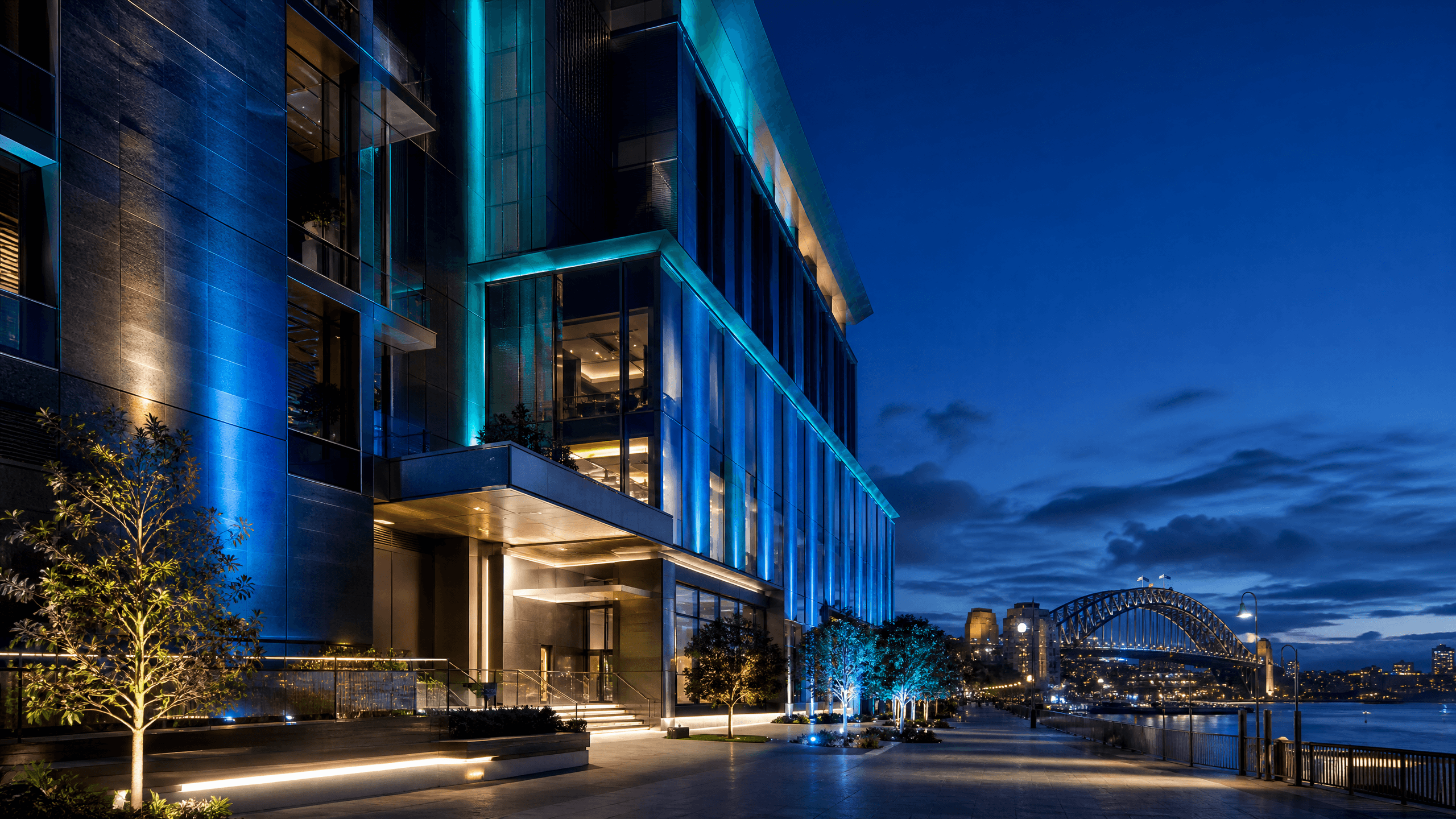
- Architectural lighting affecting nearby residents.
- Illuminated signage creating glare for motorists.
Good lighting should improve safety and security without creating nuisance or environmental impacts.
Why Do NSW Councils Require Compliance with AS/NZS 4282?
Many NSW councils require lighting assessments because poor lighting can negatively affect neighbouring properties and public spaces.
Typical council objectives include:
- Protect residential amenity.
- Reduce complaints from neighbouring properties.
- Improve road and pedestrian safety.
- Minimise environmental impacts.
- Reduce unnecessary light pollution.
- Ensure developments achieve sustainable design outcomes.
During the Development Application (DA) process, councils commonly require applicants to demonstrate that the proposed lighting design complies with AS/NZS 4282 through an engineering assessment or lighting report.
Projects Commonly Requiring AS/NZS 4282 Compliance
- Commercial developments
- Industrial warehouses
- Retail centres
- Shopping precincts
- Childcare centres
- Schools and universities
- Sports fields
- Car parks
- Service stations
- Residential developments
- Mixed-use developments
- EV charging stations
- Public infrastructure
- Council facilities
- Architectural façade lighting
- Illuminated pylon signage
Any development with external lighting may require an assessment depending on council conditions.
What Does AS/NZS 4282 Assess?
The standard is designed to control unwanted lighting impacts on surrounding properties and public areas.
Typical assessment criteria include:
- Light spill at neighbouring properties
- Vertical illuminance
- Glare control
- Luminous intensity
- Upward light ratio
- Sky glow
- Environmental lighting zones
- Curfew and post-curfew lighting requirements
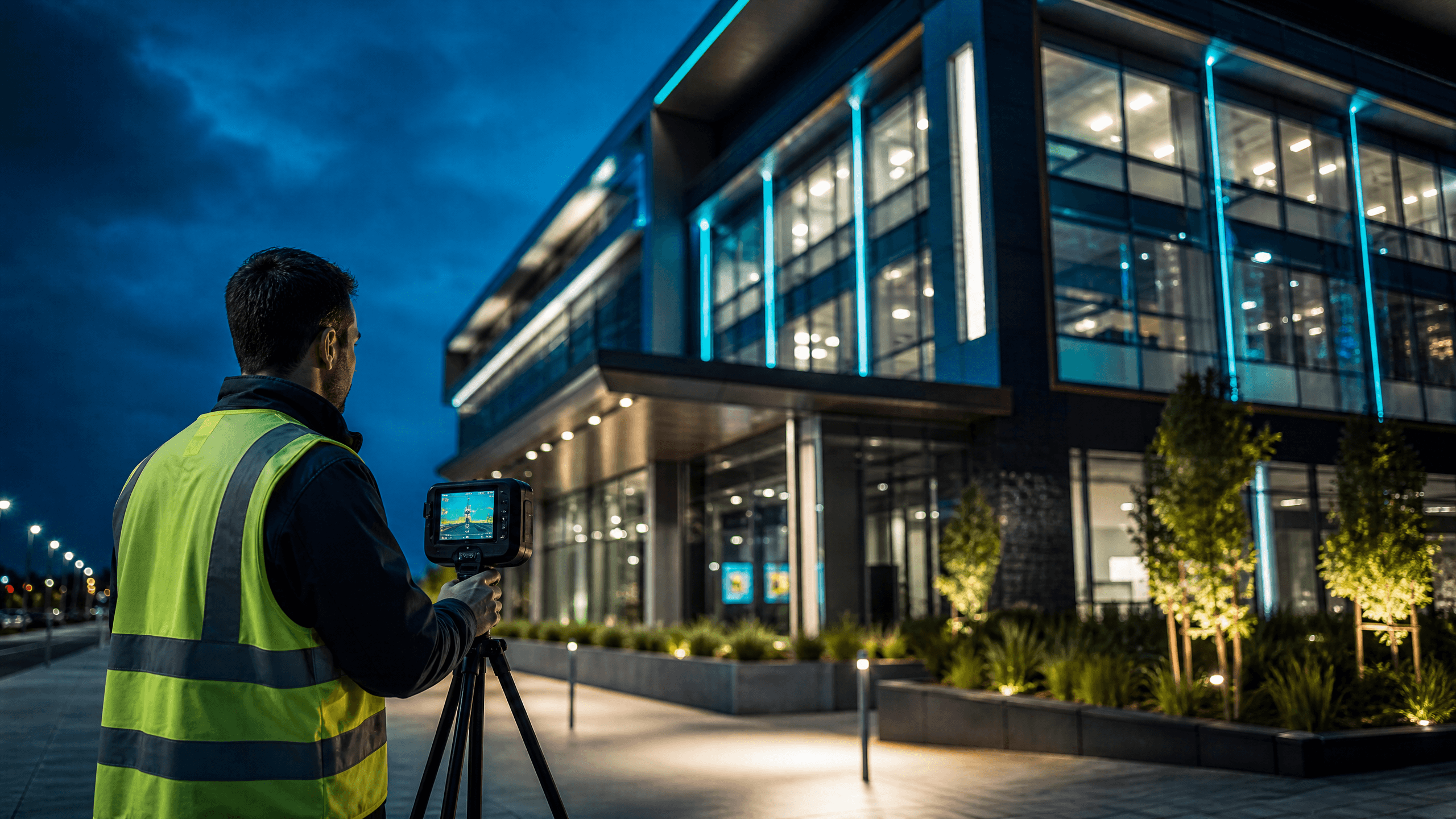
Compliance is generally verified using professional lighting calculations and photometric modelling.
How to Achieve Compliance
The most cost-effective approach is to consider AS/NZS 4282 during the design stage rather than after construction.
- Select Quality Luminaires
Choose luminaires with well-designed optics that precisely distribute light where it is required while minimising spill outside the site.
- Aim Lighting Correctly
Poor aiming is one of the most common reasons developments fail lighting assessments.
Floodlights should be carefully oriented to illuminate only the intended areas.
- Minimise Upward Light
Avoid directing light into the night sky.
Use full cut-off luminaires wherever practical to reduce sky glow.
- Control Glare
Select luminaires with appropriate shielding, louvres or visors to reduce discomfort glare for pedestrians, motorists and neighbouring residents.
- Avoid Over-Lighting
More lighting does not necessarily improve safety.
Design lighting to the illumination levels required by the relevant Australian Standards rather than simply increasing fixture wattage.
- Use Smart Lighting Controls
Timers, photocells, occupancy sensors and dimming controls reduce unnecessary lighting while lowering operating costs.
- Undertake Professional Lighting Modelling
Lighting software allows engineers to model:
- Horizontal illuminance
- Vertical illuminance
- Light spill
- Glare
- Compliance with AS/NZS 4282
Identifying issues before construction avoids expensive site modifications.
Benefits of Early Lighting Design
Designing lighting correctly from the outset provides significant advantages:
- Faster Development Application approvals
- Improved council compliance
- Reduced construction costs
- Lower energy consumption
- Better visual appearance
- Improved safety
- Reduced neighbour complaints
- Lower maintenance costs
- Future-ready lighting infrastructure
Early engineering input helps ensure the lighting design satisfies both technical requirements and planning approval conditions.
Need an AS/NZS 4282 Lighting Assessment?
If your project requires an AS/NZS 4282 Obtrusive Lighting Assessment, engaging an electrical engineer early in the design process can save both time and construction costs.
We provide external lighting design and compliance assessments for commercial, industrial, residential and infrastructure developments throughout New South Wales, helping clients achieve council approval while delivering safe, efficient and environmentally responsible lighting solutions.
Call Vanguard Engineering Consultants Pty Ltd on 0406 039 661 or info@vecgroup.com.au