
Table of Contents
ToggleTop Dry Fire Design Strategies Every Engineer Should Know
Fire safety is one of the most critical aspects of building design. In industrial and commercial spaces, protecting people, property, and operations requires careful planning. One essential approach in modern fire safety is dry fire design. This method focuses on preventing accidental discharges, optimizing fire suppression systems, and ensuring that fire protection systems are effective when they are needed most.
Engineers who understand dry fire design strategies can create safer, more reliable systems that meet regulations and protect both life and property. Let’s explore the top strategies that every engineer should know.
What is Dry Fire Design?
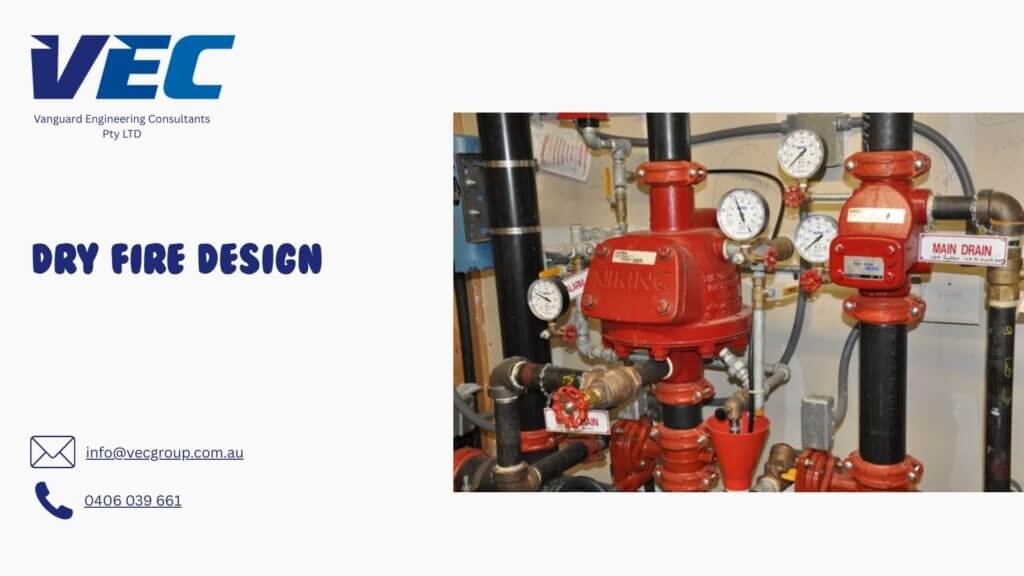
Dry fire design refers to fire suppression systems that are installed but remain “dry” until activated. Unlike wet systems, which always contain water, dry systems are filled with air or inert gas until a fire triggers them. This prevents water damage from accidental leaks or system failures.
These systems are particularly useful in areas where accidental water release could harm equipment, such as data centers, server rooms, manufacturing facilities, or archival storage areas. By combining reliability and safety, dry fire design provides engineers with a controlled, efficient way to manage fire risks.
Importance of Dry Fire Design
There are several reasons why dry fire design is essential for modern engineering projects. First, it prevents property damage from accidental water discharge. Imagine a water sprinkler activating in a server room by mistake—without a dry system, this could destroy expensive equipment. Second, dry fire systems respond quickly when a real fire occurs, limiting the spread and reducing overall damage.
Additionally, dry fire design ensures compliance with local and international fire safety codes. Engineers who implement these systems correctly demonstrate professionalism and a commitment to safety. It’s not just about regulations; it’s about protecting lives and valuable assets.
Top Strategies for Effective Dry Fire Design
1. Proper System Zoning
One of the most important strategies is dividing the facility into zones. Each zone should have its own detection and activation system. Zoning allows the system to respond precisely where a fire occurs without affecting other areas unnecessarily. Proper zoning also makes maintenance and testing easier and safer, as sections can be isolated without shutting down the entire system.
2. Choosing the Right Type of Dry System
Not all dry fire systems are the same. Engineers should select systems based on the type of risk and the environment. Common types include dry pipe sprinkler systems, pre-action systems, and deluge systems. Dry pipe sprinklers are filled with pressurized air and release water only when heat triggers the valve. Pre-action systems add an extra layer of security, requiring both a smoke or heat detector and sprinkler activation to release water. Deluge systems release water rapidly across an area and are best for high-risk facilities. Choosing the right system depends on balancing safety, efficiency, and operational requirements.
3. Accurate Hydraulic and Pressure Calculations
Hydraulic calculations are essential to ensure the system delivers the correct water flow and pressure to every zone. Engineers must account for pipe size, length, elevation changes, and nozzle types. Incorrect calculations can lead to inadequate coverage, slow response, or system failure. Dry fire systems rely on air pressure to maintain readiness, so it’s important to maintain proper air levels and regularly test the system for leaks or pressure drops.
4. Integration with Fire Detection Systems
A dry fire system is only as effective as its detection network. Smoke, heat, and flame detectors must be properly placed to trigger the system promptly. Integration with alarms, building management systems, and emergency lighting ensures that occupants are notified immediately and evacuation protocols are followed. Engineers should consider redundancy, so even if one detector fails, others can still activate the system.
5. Maintenance and Testing Plans
Dry fire systems require regular inspections to remain reliable. Engineers should establish maintenance schedules that include checking air pressure, testing valves, inspecting piping for corrosion or leaks, and verifying that detectors function properly. Testing should simulate real fire conditions without causing unnecessary discharge. Regular maintenance ensures the system performs effectively in an emergency and reduces costly downtime.
6. Environmental Considerations
Dry fire design must also account for environmental conditions. In colder climates, pipes may freeze if water enters prematurely. Engineers should use insulation, heating systems, or anti-freeze solutions where necessary. In sensitive areas, such as data centers, dry systems prevent water damage while still offering effective fire suppression.
7. Training and Documentation
Even the best system can fail without proper training. Engineers should provide clear instructions to facility managers and staff about how the system works, emergency procedures, and routine inspection requirements. Detailed documentation helps with compliance, future upgrades, and troubleshooting.
Benefits of Implementing Dry Fire Design
Professional dry fire design offers several advantages over traditional wet systems. By preventing accidental water discharge, businesses avoid costly equipment damage. Targeted zone activation reduces the risk of unnecessary flooding in unaffected areas. These systems also offer faster, more reliable fire suppression in high-risk environments.
Furthermore, dry fire design can be adapted to complex facilities with multiple floors, varied layouts, or sensitive equipment. The system’s flexibility allows engineers to create solutions tailored to the building’s unique needs. Properly maintained dry systems increase confidence for both building owners and occupants, knowing they have a safe, reliable fire suppression plan in place.
Common Applications of Dry Fire Design
Dry fire systems are particularly valuable in areas where water damage could cause major problems. Typical applications include:
- Data Centers and IT Rooms: Protect servers and electronics from accidental water exposure.
- Industrial Facilities: Safeguard manufacturing equipment while controlling fire risks.
- Archival Storage and Libraries: Preserve valuable documents and artifacts.
- Cold Storage or Refrigeration Units: Prevent freezing issues common with wet systems.
These applications highlight the versatility of dry fire systems and why engineers should be familiar with their design and implementation.
Final Thoughts
Dry fire design is an essential part of modern fire safety engineering. By understanding the strategies outlined above, engineers can create systems that are efficient, reliable, and safe. Proper zoning, system selection, hydraulic calculations, integration with detection systems, maintenance, and training all contribute to a high-performing fire suppression solution.
Investing time and expertise into dry fire design not only ensures compliance with safety standards but also protects property, equipment, and lives. Every engineer working on commercial or industrial projects should be familiar with these strategies to provide effective, reliable, and innovative fire safety solutions.
A well-designed dry fire system isn’t just a requirement—it’s peace of mind for everyone who uses the building.