
Table of Contents
ToggleThe Definitive Guide to Dry Fire Detection Systems: Engineering, Compliance, and B2B Solutions
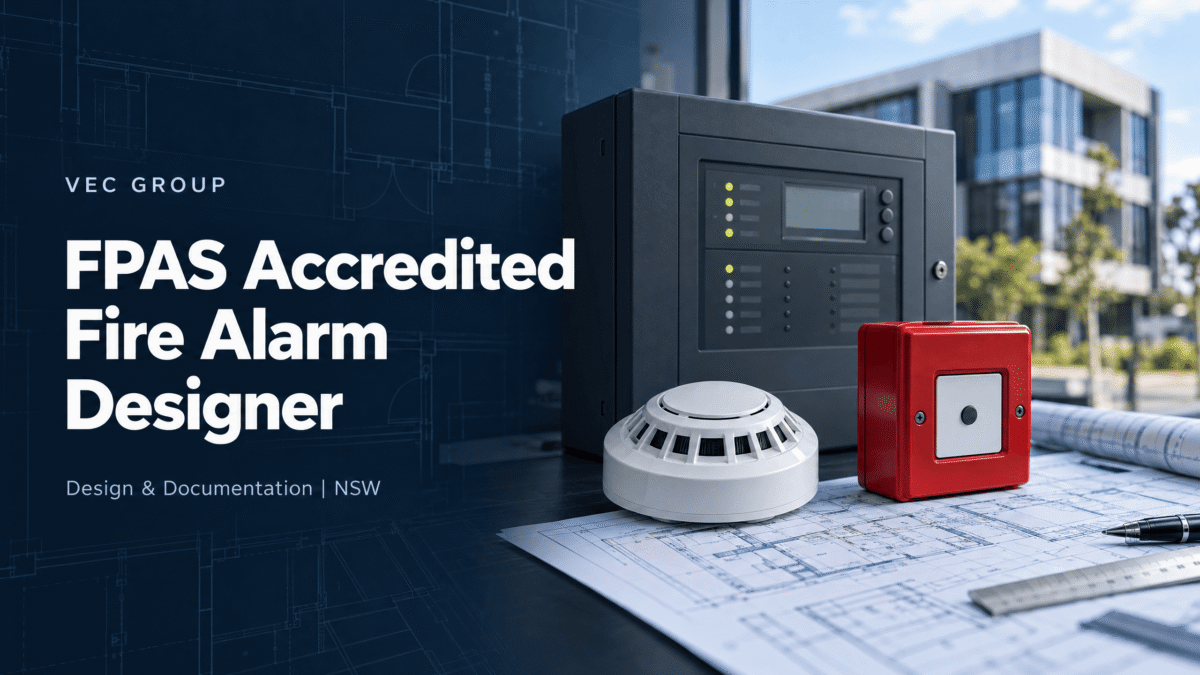
In the Australian construction and property management industry, the “Dry Fire” system is the main intelligence network of the building’s fire safety system. Unlike “Wet Systems” that are centered around fire suppression, “Dry Fire” detection systems are centered around fire detection, rapid communication, and systems integration.
To construction companies and head contractors, professional “Dry Fire System Design Sydney” is not merely about installing fire detection systems, but also about intricate fire services engineering that meets strict Australian Standards.
What are Dry Fire Detection Systems?
A “Dry Fire System” is composed of all the electronic equipment that detects fire and notifies people of the fire occurrence. It is referred to as such because it does not include water pipes until it is connected to a sprinkler valve and is therefore the “brains” of the fire protection system.
What are the Core Components of a Modern Dry Fire Detection System?
A good engineering design of a dry fire detection and fire alarm system will include:
- Fire Indicator Panels (FIP): the central hub that monitors all fire detection devices and zones.
- Smoke and Heat Detectors: photoelectric, heat, multi-sensor, beam or aspirating detectors selected for each environment.
- Emergency Warning and Intercom Systems (EWIS): voice evacuation and warden intercom systems designed to AS 1670.4.
- Manual Call Points (MCP): strategically placed “break glass” alarms on egress paths.
- Alarm Signalling Equipment (ASE): the monitored link that alerts the fire brigade automatically (AS 1670.3).
The Importance of AS 1670.1 Compliance in Australia
In Australia, dry fire detection is designed to AS 1670.1 Fire detection, warning, control and intercom systems – System design, installation and commissioning, with the National Construction Code (NCC) setting when a system is required. The standard covers everything from detector spacing to cabling integrity.
Wiring and Power Integrity
Australian requirements call for fire detection circuits to be supervised and protected, and for the system to keep operating during a mains power failure on battery backup sized by calculation. Our designs document cabling, battery capacity and power supply arrangements so the installed system performs as intended.
Integration with Building Services
One of the most complicated areas in fire engineering is integrating the fire system with other services. A compliant system needs to communicate with other services to:
- Switch mechanical air handling – turn off HVAC or switch to smoke control mode.
- Security and access control – release fire doors and fail-safe locks.
- Lift homing – return lifts to a safe landing.
Why B2B Clients Prioritise Professional Fire Engineering?
For architects and builders, there is a significant financial and legal risk involved in “Non-Compliance.” Our expertise ensures that your project is delivered from design to certification.
DBP Registered Design Practitioners
In NSW, the Design and Building Practitioners Act requires that fire safety designs for specific building classes be declared by a registered practitioner. We provide the technical rigor and legal declarations necessary for Complying Development Certificates (CDC).
Reducing False Alarms
Poorly designed systems lead to “nuisance alarms,” which are costly and result in heavy fines from Fire and Rescue NSW. By utilizing multi-criteria sensors and advanced logic, we design systems that distinguish between a burnt piece of toast and a life-threatening fire.
Dry Fire vs. Wet Fire: What’s the Difference?
Though both are vital, each has its own importance and serves different purposes:
- Dry Fire: Detection and Warning (Smoke detectors, FIP, EWIS, etc.).
- Wet Fire: Suppression (Sprinklers, Hydrants, Hose Reels, etc.). A well-designed Fire Services Engineering will ensure these two systems communicate with each other smoothly.
Frequently Asked Questions (FAQ)
Do I need a monitored dry fire system in my building?
Many commercial, high-rise residential and Class 9 buildings require a monitored system – the NCC, your fire engineering report and your certifier set the exact requirement. This means the system will be connected to a service provider, and the fire brigade will automatically be alerted in the event of an activation.
How often should I test the dry fire detection systems installed in my building?
Though the design and installation of the system are governed by AS1670.1, the maintenance is regulated by AS1851. In addition, the system’s ‘Baseline Data’ will need to be checked and updated on a monthly, six-monthly, and yearly basis.
Will VEC Group assist with the preparation of an Annual Fire Safety Statement (AFSS)?
We can certainly help with the engineering reports and documents needed to endorse the fire safety measures in your building, ensuring you are meeting the local council’s regulations.
What is the difference between a dry fire detection system and a fire alarm system?
In practice they are the same system. “Dry fire detection” is the Australian industry name for the fire detection and alarm system and its related warning equipment, as opposed to water-based “wet fire” services.
Related reading: Dry fire services design · Intelligent fire detection · Fire detection system design in NSW · Alarm acknowledgement facility (AAF)
Secure Your Project with Expert Fire Engineering
Don’t leave your compliance to chance. Ensure your next development is backed by Australia’s leading fire system consultants.
Contact Vanguard Engineering Consultants today.
-
Website: vecgroup.com.au
-
Phone: 0406 039 661
-
Email: info@vecgroup.com.au