Table of Contents
ToggleDevelopment Application Lighting NSW: 7 Critical Steps for Project Approval
Navigating the Development Application (DA) process in New South Wales can be complex, especially when it involves specialist areas like lighting. For any new construction, renovation, or change of use that includes external lighting, understanding and demonstrating compliance with various lighting requirements is a critical step towards securing project approval. Failure to address these requirements early can lead to significant delays, costly redesigns, or even rejection of your application.
In NSW, Development Application lighting is not merely about aesthetics; it encompasses public safety, environmental protection, energy efficiency, and amenity for surrounding properties. Councils, guided by the Environmental Planning and Assessment Act, National Construction Code (NCC), and various Australian Standards, scrutinise lighting proposals to ensure they meet stringent criteria. This article outlines seven critical steps to successfully navigate the DA lighting requirements in NSW, ensuring your project proceeds smoothly towards approval.
Step 1: Understand the DA Process and Lighting Triggers
The first critical step is to understand when and why lighting becomes a key consideration in your Development Application. Lighting requirements are typically triggered by the nature and scale of your project, particularly if it involves external illumination. This includes commercial developments, industrial facilities, multi-residential buildings, public spaces, car parks, and even certain types of signage.
Development Consent conditions often explicitly require a lighting report or assessment to demonstrate compliance with specific standards. These conditions are designed to mitigate potential negative impacts such as light spill into neighbouring properties, excessive glare for motorists or pedestrians, and energy waste. Understanding these triggers early in the DA process allows for proactive planning and integration of lighting compliance into the overall project design, rather than treating it as an afterthought.
Step 2: Identify Key Standards and Council Requirements
Once you’ve established that lighting is a DA consideration, the next step is to identify all applicable standards and local council requirements. This framework is multi-layered and includes:
- National Construction Code (NCC): Specifically, Part J7 for artificial lighting and power sets energy efficiency benchmarks for various building classes. Compliance with NCC Part J7 is essential for achieving an Occupancy Certificate.
- Australian and New Zealand Standards (AS/NZS):
- [AS/NZS 4282:2023 – Control of the Obtrusive Effects of Outdoor Lighting][2]: This is the most frequently cited standard for external lighting in DA conditions. It sets limits on light trespass, glare, and sky glow, and the 2023 update introduces environmental zones and considers ecological impacts. Many NSW councils directly reference this standard.
- AS/NZS 1158 series – Lighting for Roads and Public Spaces: This series covers various aspects of public lighting, including pedestrian areas, roads, and car parks, ensuring appropriate illumination levels for safety and security.
- AS/NZS 1680 series – Interior and Workplace Lighting: While primarily for internal spaces, aspects of this standard may be relevant for DA submissions involving internal lighting that impacts external areas or overall building energy consumption.
- AS/NZS 2293 series – Emergency Lighting and Exit Signs: Essential for life safety, this standard ensures adequate illumination for safe egress during power failures.
- Local Council Development Control Plans (DCPs): Many NSW councils have specific DCPs or local environmental plans (LEPs) that include detailed lighting provisions. These can cover anything from acceptable luminaire types and mounting heights to curfews for external lighting in residential zones. It is crucial to consult the relevant council’s planning documents for your project’s location.
Engaging a Lighting Engineering service early can help navigate these complex requirements and ensure all relevant standards are addressed.
Step 3: Conduct a Comprehensive Site Assessment
A thorough site assessment forms the foundation of any compliant lighting design for a Development Application. This step involves understanding both the existing conditions and the surrounding environment that could be impacted by your proposed lighting. Key aspects include:
- Existing Lighting Conditions: Documenting current illumination levels, types of luminaires, and any existing light spill or glare issues on site and in adjacent areas.
- Sensitive Receivers: Identifying nearby residential properties, hospitals, schools, ecologically sensitive areas (e.g., bushland, waterways), observatories, or roads that could be adversely affected by new lighting. This includes understanding their current ambient light levels.
- Site Topography and Vegetation: Analysing how natural features might influence light distribution or provide shielding.
- Project Context: Understanding the intended use of the space, operational hours, and any specific lighting needs (e.g., security, task lighting, architectural accentuation).
This detailed assessment provides the baseline data necessary for effective design and for preparing a robust lighting impact assessment report. [Professional lighting design consultants][4] are adept at conducting these assessments and identifying potential issues before they become compliance hurdles.
Step 4: Perform Photometric Modelling and Design
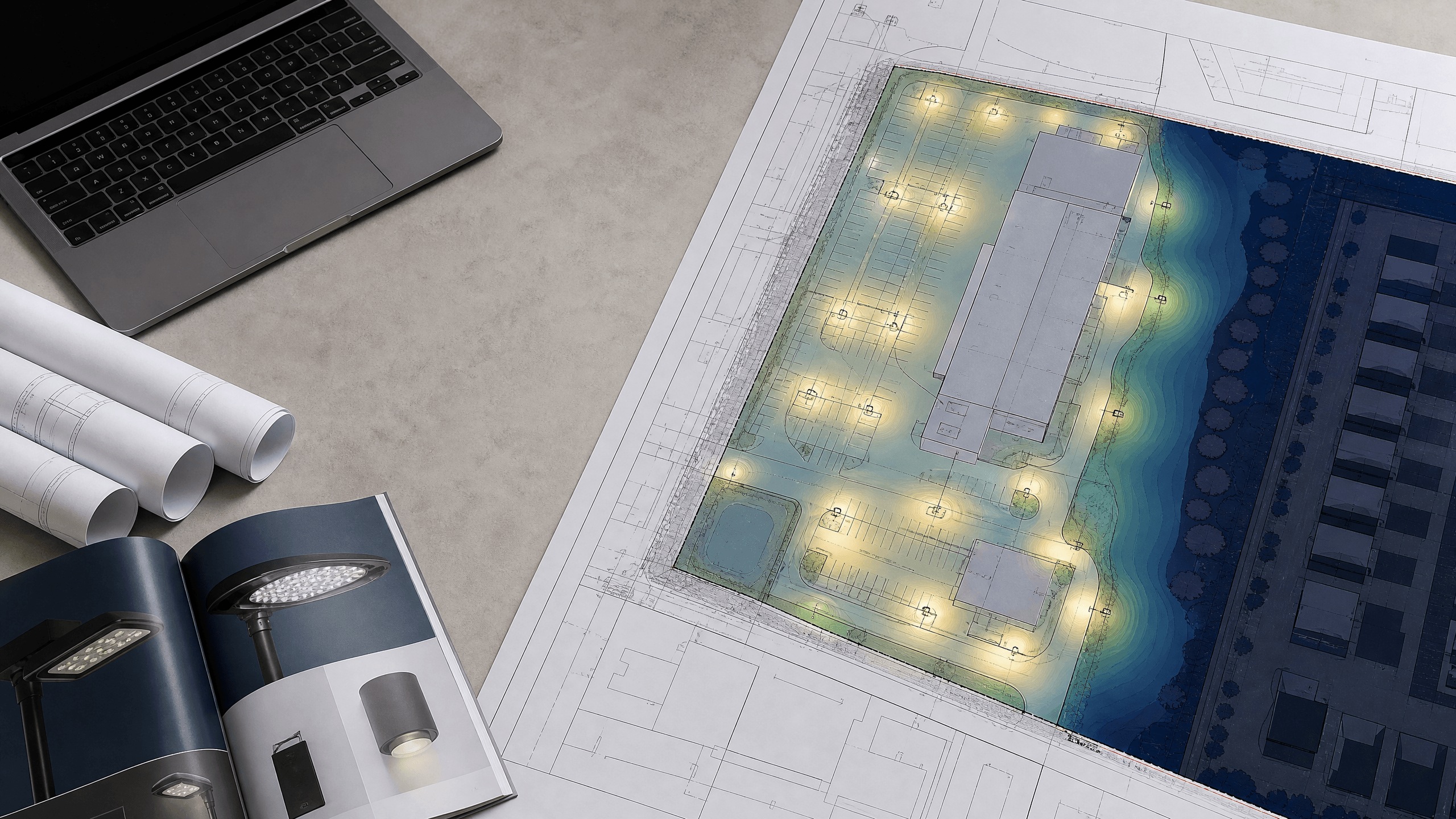
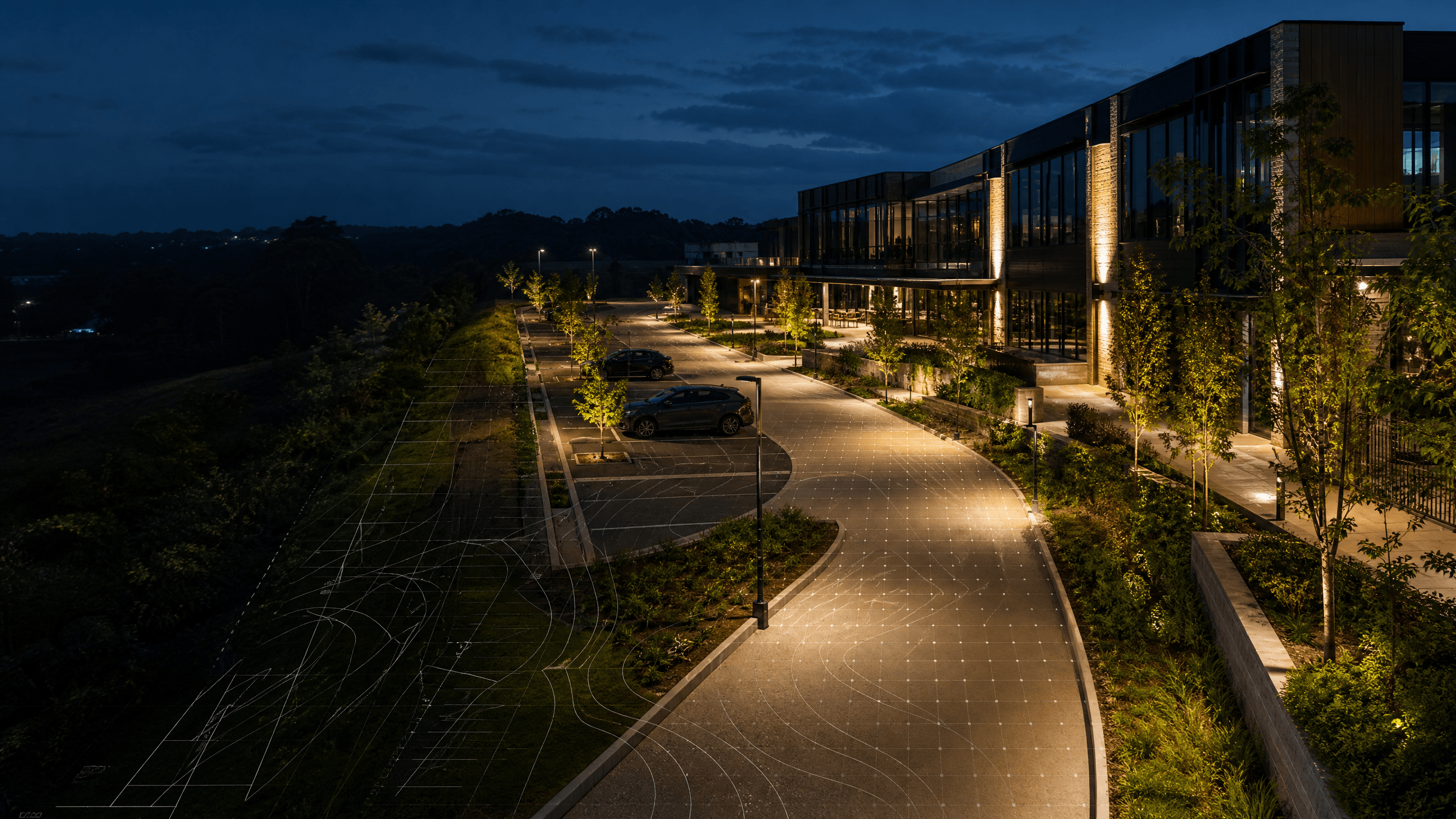
With a clear understanding of the requirements and site conditions, the next critical step is to develop a lighting design supported by professional photometric modelling. This involves using specialised software to simulate light distribution and predict performance. Key elements include:
- Luminaire Selection: Choosing appropriate luminaires based on their optical characteristics, light distribution patterns, colour temperature, and energy efficiency.
- Placement and Aiming: Strategically positioning and aiming luminaires to achieve desired illumination levels within the project site while minimising unwanted light beyond its boundaries.
- Photometric Calculations: Generating detailed reports that show horizontal and vertical illuminance levels, uniformity ratios, light spill at property lines, and glare ratings. These calculations are crucial for demonstrating compliance with AS/NZS 4282 and other standards.
- Control Strategies: Integrating smart lighting controls such as timers, occupancy sensors, and dimming systems to manage energy consumption and reduce light output during non-operational hours, further mitigating environmental impacts.
The [external lighting design guide][5] provides comprehensive insights into this design process, ensuring that both functional and compliance aspects are met.
Step 5: Prepare the Lighting Impact Assessment Report
The culmination of the design and modelling process is the preparation of a comprehensive Lighting Impact Assessment Report. This document is a key deliverable for your Development Application, providing councils with the evidence they need to assess your lighting proposal. A typical report includes:
- Project Overview: Description of the development and its lighting components.
- Applicable Standards and Requirements: A clear statement of the standards, codes, and council DCPs applied.
- Site Analysis: Summary of existing conditions and sensitive receivers.
- Lighting Design Philosophy: Explanation of design intent and how it addresses compliance.
- Photometric Data: Detailed calculations, plans, and false-colour renderings demonstrating illumination levels, light spill, and glare zones.
- Compliance Statement: A declaration of how the proposed lighting design complies with all relevant requirements, particularly AS/NZS 4282 obtrusive lighting compliance.
- Mitigation Measures: Description of any strategies employed to reduce potential negative impacts.
This report is vital for demonstrating due diligence and facilitating a smoother approval process. For a broader understanding of compliance, refer to our lighting compliance NSW guide.
Step 6: Address Environmental and Amenity Concerns
Modern Development Applications increasingly require consideration of environmental and amenity impacts beyond basic safety. Lighting design must address:
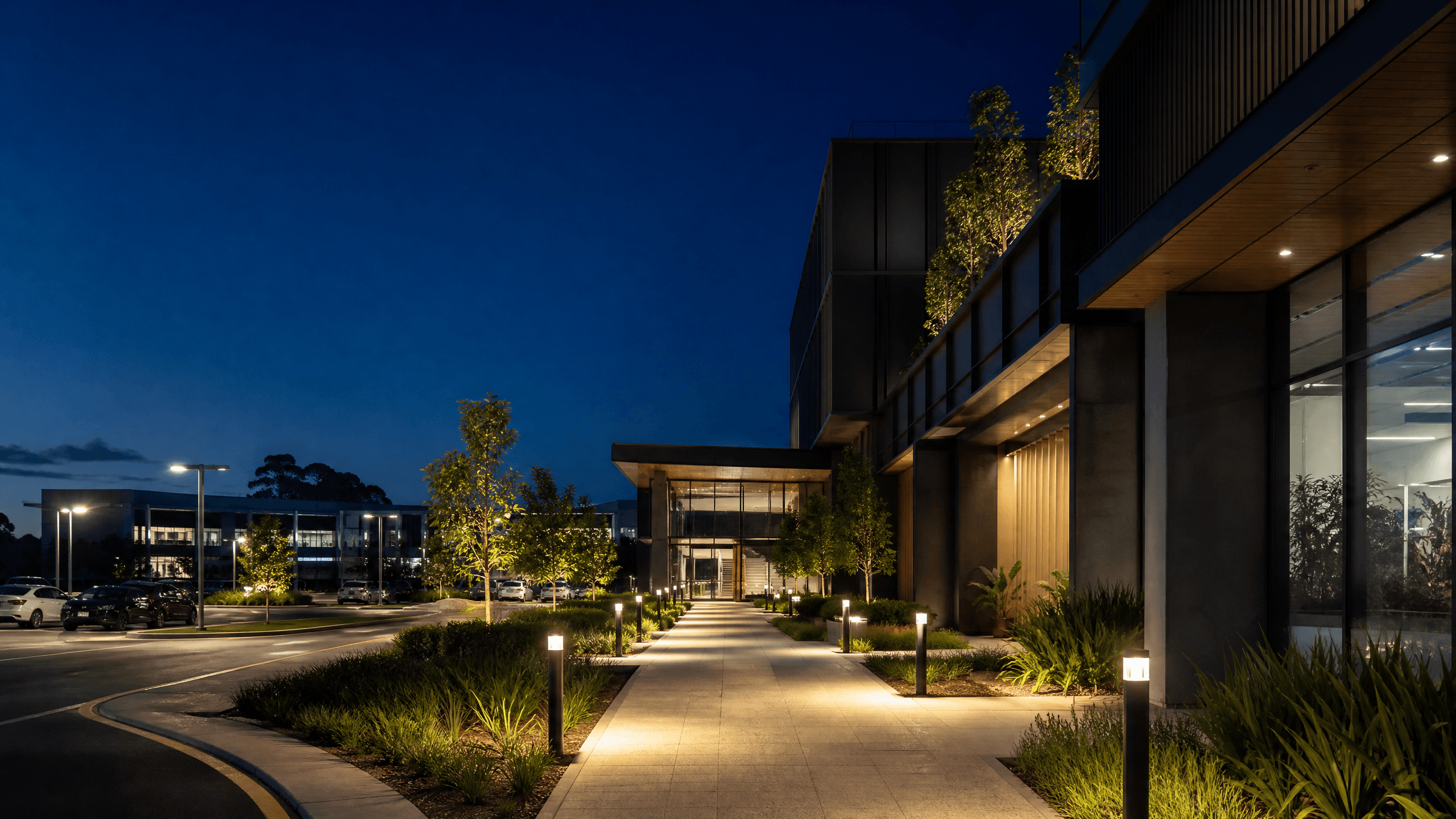
- Light Spill and Glare: Ensuring that light does not trespass onto neighbouring residential properties, cause discomfort or disability glare for pedestrians and motorists, or contribute to sky glow. This is a primary focus of AS/NZS 4282.
- Wildlife Impacts: Minimising disruption to nocturnal animals, birds, and insects, especially in areas adjacent to natural habitats. This may involve using specific colour temperatures (e.g., warmer amber lights), shielding, or limiting operational hours.
- Dark Sky Considerations: Contributing to the preservation of night sky visibility, particularly in regional areas or near astronomical observatories.
- Neighbourhood Amenity: Designing lighting that enhances safety and security without creating a nuisance or detracting from the character of the surrounding area.
Proactive engagement with these concerns through thoughtful design and clear reporting can significantly strengthen your DA.
Step 7: Post-Approval Verification and Compliance
Even after DA approval, the journey to full lighting compliance continues. This final step ensures that the installed lighting system performs as designed and continues to meet regulatory requirements.
- Commissioning: On-site verification that the installed luminaires, controls, and aiming angles match the approved design. This often includes photometric measurements to confirm actual illumination levels, light spill, and glare are within specified limits.
- Ongoing Maintenance: Establishing a maintenance schedule for regular inspection, cleaning, and testing of lighting components, particularly emergency lighting, to ensure continued performance and safety.
- Record Keeping: Maintaining comprehensive records of all design documents, compliance reports, commissioning results, and maintenance activities. These records are crucial for demonstrating ongoing compliance and for any future audits or modifications.
Common Pitfalls in DA Lighting Submissions
Several common mistakes can lead to delays or rejection of Development Applications related to lighting:
- Inadequate Documentation: Submitting insufficient or unclear plans and reports that do not fully address council requirements.
- Ignoring AS/NZS 4282: Failing to provide a detailed assessment of obtrusive lighting effects, especially for external installations.
- Lack of Coordination: Poor integration of lighting design with other building services or architectural elements.
- Generic Designs: Using off-the-shelf lighting layouts without tailoring them to specific site conditions and sensitive receivers.
- Underestimating Energy Efficiency: Not demonstrating compliance with NCC Part J7, leading to energy consumption issues.
- Late Engagement: Bringing in lighting specialists too late in the process, necessitating costly redesigns.
Why Engage a Lighting Engineer for Your DA
Navigating the intricacies of Development Application lighting in NSW requires specialised expertise. A professional lighting engineer brings a deep understanding of:
- Regulatory Landscape: Up-to-date knowledge of NCC, Australian Standards, and local council DCPs.
- Technical Proficiency: Expertise in photometric modelling, luminaire selection, and control system design.
- Risk Mitigation: Ability to identify potential compliance issues early and propose effective solutions.
- Documentation: Skill in preparing comprehensive and council-ready Lighting Impact Assessment Reports.
Vec Group’s Lighting Engineering service offers this expertise, ensuring your DA lighting submission is robust, compliant, and supports a smooth approval process. Our team has a proven track record in delivering successful projects across NSW, as showcased in our .
Conclusion
Successful Development Application lighting in NSW is a blend of technical design, regulatory compliance, and strategic planning. By following these seven critical steps—from understanding the DA process and identifying key standards to conducting thorough assessments, performing photometric modelling, preparing detailed reports, addressing environmental concerns, and ensuring post-approval verification—you can significantly enhance your project’s chances of approval.
Proactive engagement with lighting compliance not only streamlines the DA process but also contributes to safer, more energy-efficient, and environmentally responsible developments. If you’re embarking on a project requiring Development Application lighting in NSW, contact us for expert guidance and support.